
Program
-
European Medical Device Market:
Post‑MDR Market Entry Strategies09:30 – 12:10 (160’), Orche Ⅰ&Ⅱ
-
Strategies for Entering
the Medical AI Field14:00 - 17:25 (205’), Orche Ⅰ
-
BeautyTech Innovation Forum
13:30 – 15:40 (130’), Orche Ⅱ
-
Indonesia Medical Device
Market Entry Strategies16:00 – 18:00 (120’), Orche Ⅱ
Session
| Time | Title | Speaker |
|---|---|---|
| 14:00 - 14:30 (30’) | Current Status and Issues in Medical AI | Kim Chiwon Kakao Ventures Vice President |
| 14:30 - 15:00 (30‘) | In Hospital AI, Workflow Matters More Than Diagnosis | Jung Seyoung SNU Bundang Hospital Director of Info Services |
| 15:00 - 15:30 (30‘) | Minding the Gaps in Acute Stroke Care | Sunwoo Joon SNU Bundang Hospital Professor |
| 15:30 - 16:00 (30‘) | Introduction to AI-EWS and Patient-Centered Outcomes | Yoo Dongjoon Inha University Hospital Professor |
| 16:00 - 16:30 (30‘) | Clinical Applications of Wearable ECG | Jung Hui Seoul St. Mary’s Hospital Senior Nurse |
| 16:30 - 16:40 (10‘) | Q&A | Speakers |
| 16:40 - 17:20 (40‘) | Building the Connected Hospital with SEERS | Kang Daeyeob SEERS CSO |
| 17:20 - 17:25 (05‘) | Q&A | SEERS |
Speakers
You can click on each speaker to view their Professional Experience and Abstract.
-
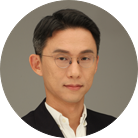 14:00 - 14:30 Current Status and Issues in Medical AIKim ChiwonKakao Ventures
Vice President Kim Chiwon
Kakao Ventures
14:00 - 14:30
Vice President-
Professional Experience
He is a physician‑turned digital healthcare investment and commercialization expert. After serving as an internal medicine specialist at Seoul National University Hospital, he worked as a consultant at McKinsey & Company and later as a clinical assistant professor at Samsung Medical Center. He co‑founded DHP, a digital health accelerator, and currently serves as Vice President at Kakao Ventures, where he leads investments and business strategy in healthcare and medical AI.
-
Abstract
This presentation examines key trends shaping the AI medical device industry and market, and highlights the essential factors required for translating technology into real clinical adoption and viable healthcare business models. From clinical, managerial, and investment perspectives, the session will explore the current landscape of medical AI and discuss future directions for successful commercialization.
-
Professional Experience
-
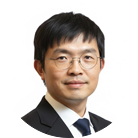 14:30 - 15:00 In Hospital AI, Workflow Matters More Than DiagnosisJung SeyoungSeoul National University Bundang Hospital
Director of Information Services
Jung SeyoungSeoul National University Bundang Hospital
14:30 - 15:00
Director of Information Services-
Professional Experience
He is a Professor of Family Medicine and the Chief Information Officer (CIO) at Seoul National University Bundang Hospital, where he oversees hospital wide digital transformation and the adoption of medical AI. With extensive experience in clinical practice and hospital information systems, he leads initiatives to implement and optimize AI solutions within real clinical workflows.
-
Abstract
This presentation examines how hospitals evaluate and consider the adoption of medical AI, along with the key factors involved in the decision making process. It will address the roles and perspectives of various stakeholders—including clinicians, hospital leadership, and IT departments—and outline how hospitals assess AI medical devices and integrate them into actual clinical use.
-
Professional Experience
-
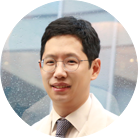 15:00 - 15:30 Minding the Gaps in Acute Stroke CareSunwoo JoonSeoul National University Bundang Hospital
Professor
Sunwoo JoonSeoul National University Bundang Hospital
15:00 - 15:30
Professor-
Professional Experience
He is a Professor of Radiology at Seoul National University Bundang Hospital with extensive clinical and research experience in stroke diagnosis and treatment using medical imaging and AI. He has also served as a Visiting Professor at the KAIST Graduate School of AI, where he has conducted research on the clinical application of medical imaging and artificial intelligence.
-
Abstract
This presentation explores how AI can address gaps that arise throughout the acute stroke care pathway—from patient transport to diagnosis and treatment. Focusing on real world challenges such as time constraints, workforce limitations, image interpretation, and trust, the session will examine the potential and remaining limitations of medical imaging AI from the perspective of clinical end users.
-
Professional Experience
-
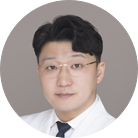 15:30 - 16:00 Introduction to AI-EWS and Patient-Centered OutcomesYoo DongjoonInha University Hospital
Professor
Yoo DongjoonInha University Hospital
15:30 - 16:00
Professor-
Professional Experience
He is a Professor of Critical Care Medicine at Inha University Hospital, where he provides intensive care and leads the Rapid Response System (RRS). His research focuses on early deterioration prediction for general ward patients. Using the K MIMIC database, he has conducted clinical research and contributed to the development of AI based early warning medical devices that predict conditions such as sepsis, multiple organ failure, and cardiac arrest.
-
Abstract
This presentation discusses the implementation and real world use of AI based Early Warning Systems (AI EWS) in hospital wards. It will explore how AI adoption changes the detection of patient deterioration and the subsequent rapid response process. The session will also address the clinical evidence and operational conditions required for AI prediction performance to translate into meaningful patient benefits.
-
Professional Experience
-
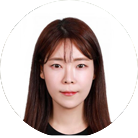 16:00 - 16:30 Clinical Applications of Wearable ECGJung HuiSeoul St. Mary’s Hospital
Senior Nurse
Jung HuiSeoul St. Mary’s Hospital
16:00 - 16:30
Senior Nurse-
Professional Experience
She is a senior nurse at Seoul St. Mary’s Hospital, with clinical experience in the Emergency Medical Center, the Electrophysiology Laboratory, and the Cardiovascular Imaging Unit. She currently serves as a dedicated arrhythmia nurse at the Cardiovascular and Cerebrovascular Hospital, where she supports a wide range of clinical care for patients with cardiac disease and arrhythmias, including procedural assistance and home based management.
-
Abstract
This presentation shares the adoption and practical use of wearable patient monitoring systems from the perspective of nurses working on hospital wards. It will examine how continuous monitoring is integrated into daily nursing workflows and patient management, and discuss key considerations for clinical staff when using these systems in real practice.
-
Professional Experience
-
 16:40 - 17:20 Building the Connected Hospital with SEERSKang DaeyeobSEERS
CSO
Kang DaeyeobSEERS
16:40 - 17:20
CSO-
Professional Experience
He is the Vice President and Chief Strategy Officer (CSO) at Sears Technology, where he leads the company’s business and growth strategy. He oversees the adoption of smart ward solutions that integrate wearable patient monitoring technologies with AI, and drives their implementation and expansion across healthcare institutions.
-
Abstract
This presentation examines how wearable monitoring and AI based smart ward solutions progress from initial adoption in a single ward to broader deployment across an entire hospital. Through real world cases, it will explore clinical acceptance, hospital level integration, business model development, and the strategies companies must consider to achieve sustainable market adoption and widespread use in clinical settings.
-
Professional Experience

Copyright©Korea Health Industry Development Institute(KHIDI). All Rights Reserved.
